| Rank | Tool | Category | Best for | Cost |
|---|---|---|---|---|
| 1 | Kali Linux (with Nmap, Metasploit, Burp Suite bundled) | Penetration testing platform | Most undergraduate lab-based thesis designs — a single environment covering scanning, exploitation, and web testing | Free, open source |
| 2 | Wireshark | Network traffic analysis | Studies on network protocol behaviour, intrusion patterns, or traffic anomaly detection | Free, open source |
| 3 | ZAP (formerly OWASP ZAP) | Web application vulnerability scanning | Studies specifically on web application security, without Burp Suite’s paid-tier limits | Free, open source |
| 4 | Suricata or Snort | Intrusion detection/prevention (IDS/IPS) | Studies building or evaluating a detection system, rule-writing, or signature-based analysis | Free, open source |
| 5 | Splunk Free / ELK Stack (Elasticsearch, Logstash, Kibana) | Log analysis / SIEM | Studies on log correlation, anomaly detection at the log level, or a mini-SOC (security operations centre) build | Free tier (Splunk Free capped at 500 MB/day; ELK self-hosted) |
Why This Ranking Fits an Undergraduate Cybersecurity Thesis
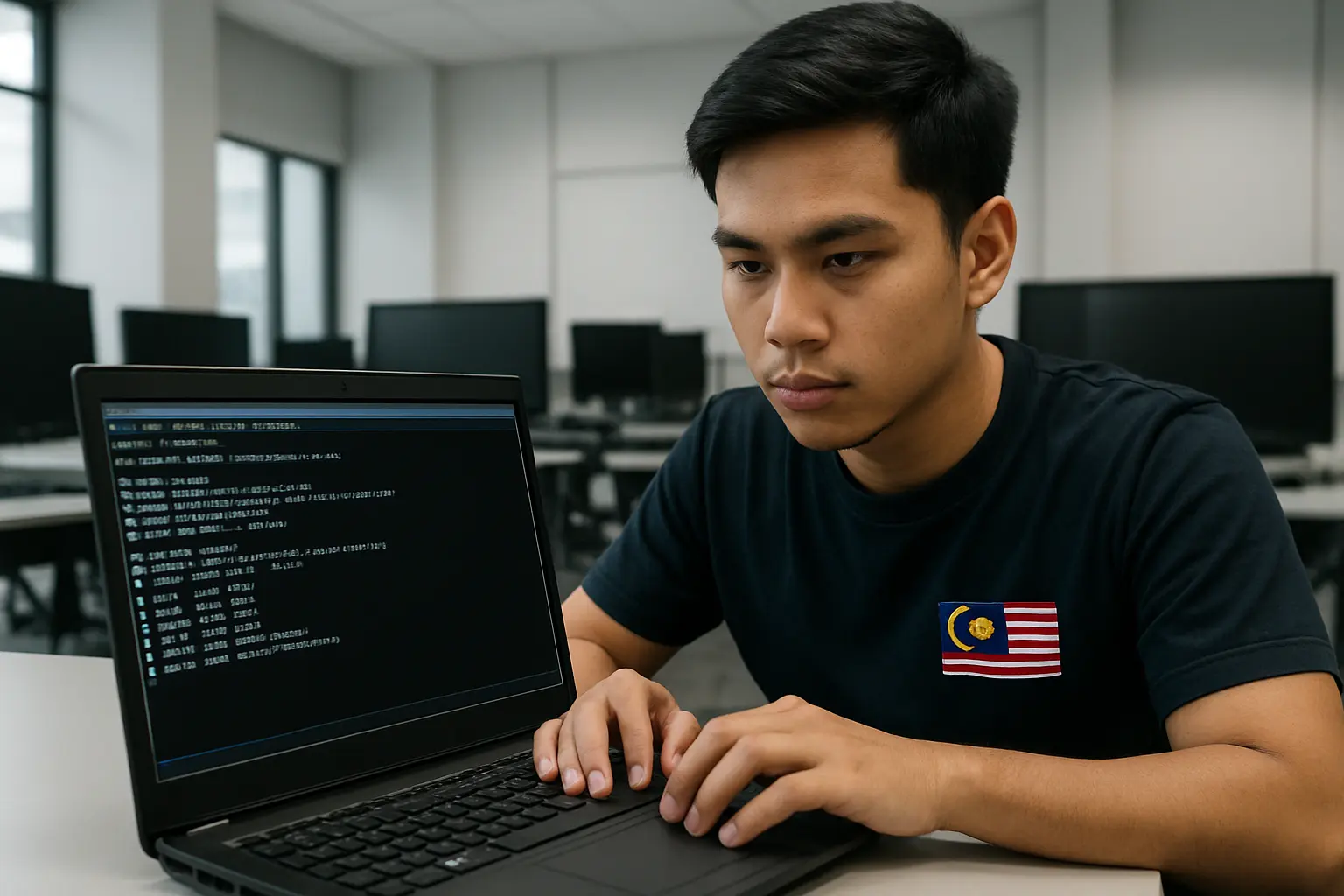
Nearly every named tool above is free and open source, which matters more for a Malaysian undergraduate cybersecurity FYP than for a commercial security team: your university is unlikely to license a full enterprise SIEM or a paid penetration-testing suite for one student’s project, and examiners do not expect you to have one. Kali Linux tops the list because it bundles the widest range of testing tools into one virtual-machine image you can run entirely inside a lab environment you control, which is also the safest legal position — more on that below.
1. Kali Linux — The Standard Penetration-Testing Platform
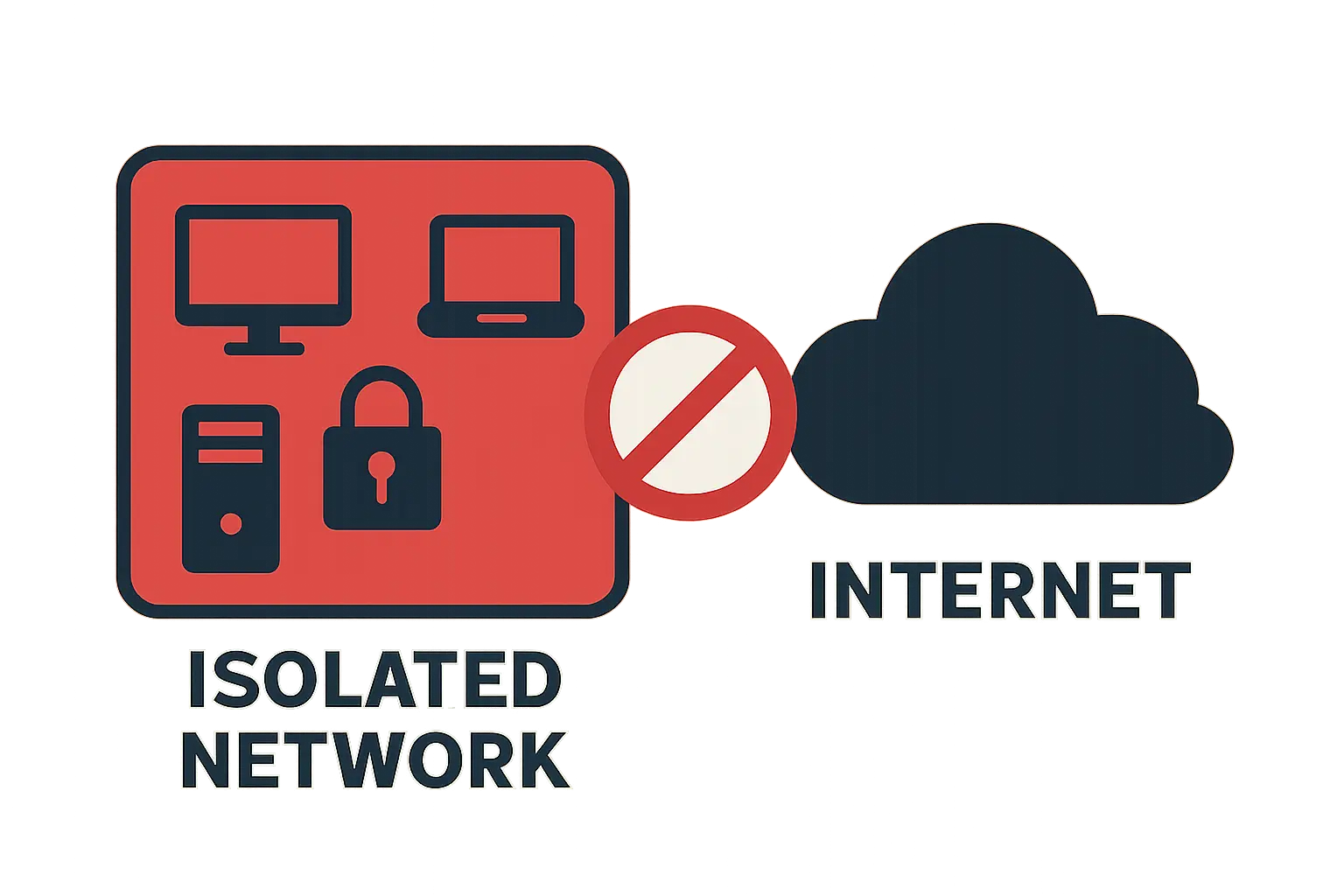
Kali Linux is a Debian-based distribution pre-loaded with hundreds of security tools, including Nmap (network scanning), Metasploit Framework (exploitation testing), and Burp Suite Community Edition (web proxy testing) in one image. For a thesis chapter on methodology, naming “Kali Linux with Nmap and Metasploit run inside an isolated VirtualBox network” is a specific, defensible design statement examiners can evaluate — far stronger than a vague “penetration testing tools were used” sentence. Run it only inside a virtual lab you fully control (VirtualBox or VMware, with intentionally vulnerable target machines such as Metasploitable2 or a deliberately built lab VM), never against a live network you do not own or have explicit written authorisation to test.
2. Wireshark — Packet-Level Network Analysis
Wireshark captures and dissects network traffic at the packet level, making it the standard choice for a thesis analysing protocol behaviour, detecting anomalous traffic patterns, or building a case study around a specific attack type (ARP spoofing, DNS tunnelling, a denial-of-service simulation) inside your lab network. It is free, cross-platform, and produces exportable capture files (.pcap) that can be attached as an appendix or referenced directly when describing a specific finding in Chapter 4.
3. ZAP — Web Application Security Testing
For a thesis specifically about web application vulnerabilities (SQL injection, cross-site scripting, broken authentication), ZAP is the free alternative to Burp Suite’s paid Professional tier. It began as an OWASP project and is now developed as ZAP by Checkmarx, still free and open source, and it is commonly used to test for the vulnerability classes listed in the OWASP Top 10 — citing the OWASP Top 10 by its current edition (2025 at the time of writing) in your literature review is itself a strong, verifiable anchor for a web-security thesis.
4. Suricata or Snort — Building or Evaluating an IDS/IPS
If your thesis involves writing or evaluating detection rules rather than only exploiting known vulnerabilities, Suricata (multi-threaded by design) or Snort (long-established, extensively documented, with a large existing rule-set community) let you build a working intrusion-detection setup and measure its detection rate against a defined attack dataset — a common and defensible thesis design that produces genuinely quantifiable results (true positive rate, false positive rate) for your Chapter 4.
5. Splunk Free / ELK Stack — Log Analysis and Mini-SOC Projects
A thesis framed around security operations (correlating logs across multiple sources to detect an attack pattern, or building a small-scale security dashboard) needs a log-analysis platform. Splunk Free allows indexing of up to 500 MB per day, which is usually enough for a controlled lab dataset; the ELK Stack (Elasticsearch, Logstash, Kibana) can be self-hosted if you want no vendor data-volume ceiling, at the cost of more setup work — check the current licence terms of each component before you commit.
Documenting Your Testing: Reporting Tools and Formats
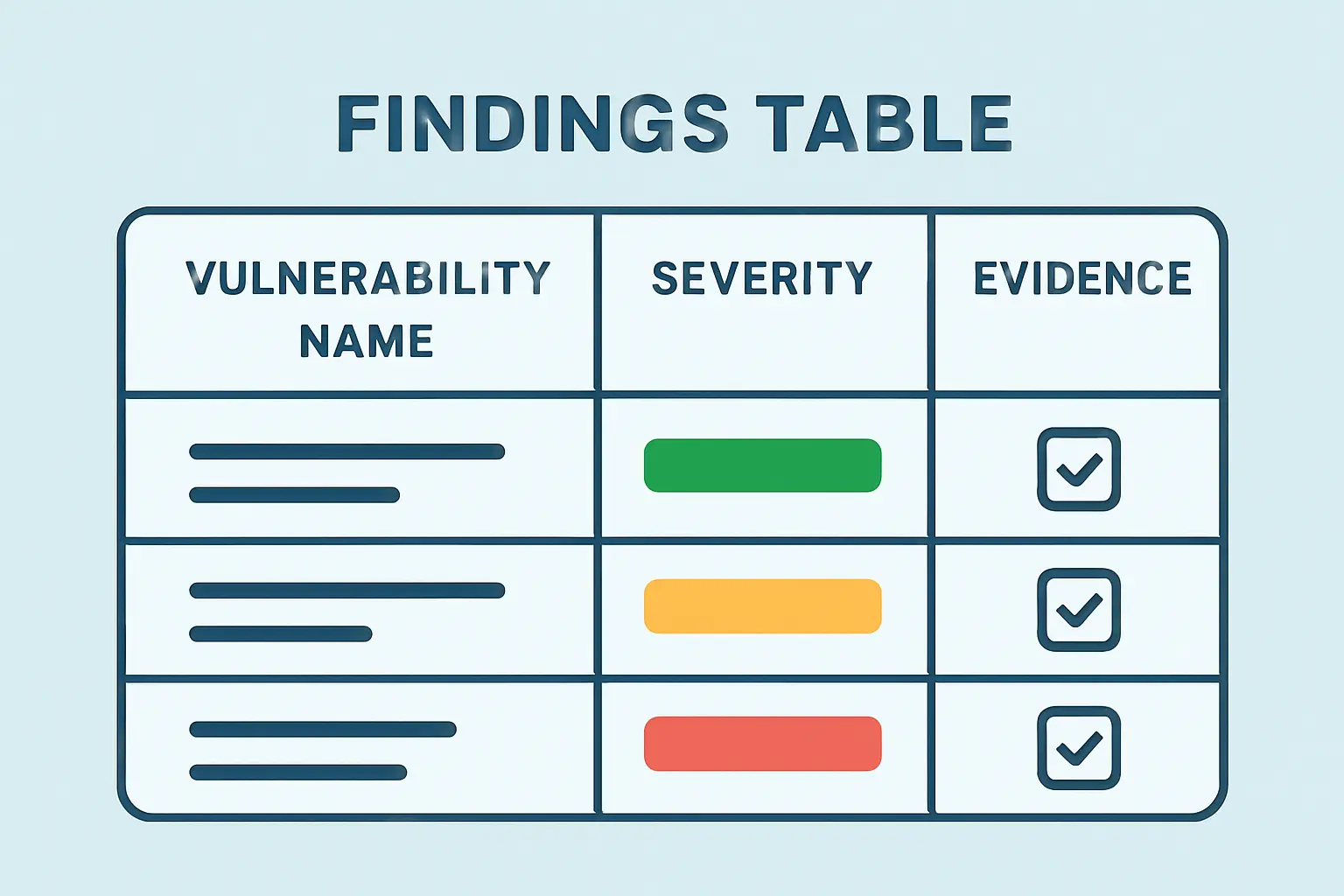
A cybersecurity thesis needs a clear, reproducible record of what you tested and what you found — not just a results narrative. Most Kali Linux tools export findings directly (Nmap’s -oX flag for XML output, Metasploit’s session logs, Burp Suite’s scan reports), which you should archive as raw evidence and reference in your appendix. For the write-up itself, structuring findings using the CVSS (Common Vulnerability Scoring System) severity framework — where applicable — gives your results a standardised, examiner-recognisable severity rating rather than a subjective “this seems bad” description. A simple findings table works well in Chapter 4: vulnerability name, affected component, CVSS-style severity, evidence reference (screenshot or log file number), and remediation recommendation. Keep every raw capture file, screenshot, and log referenced by a consistent naming convention from day one — reconstructing which screenshot matched which test three months later, at write-up time, is a common and entirely avoidable source of lost marks.
Worked Example: The Methodology Paragraph
A worked example for a web-application-security thesis:
“Vulnerability scanning was conducted using ZAP version [X], with findings mapped to the OWASP Top 10:2025 categories, against a deliberately vulnerable web application (OWASP Juice Shop) deployed entirely within an isolated Docker container with no external network connectivity. Each identified finding was manually verified to eliminate false positives, then rated using CVSS v3.1 base scores. No production system, third-party service, or live website was scanned at any point in this study.”
The final sentence is doing the most important job in the paragraph: it states explicitly, in writing, that no unauthorised target was touched — exactly the sentence a supervisor and an examiner are both checking for.
The Legal Boundary Every Cybersecurity FYP Must Respect
Malaysia’s Computer Crimes Act 1997 (Act 563) makes unauthorised access to computer material, and unauthorised access with intent to commit a further offence, criminal offences — this applies regardless of academic intent. The practical rule for your methodology chapter: every scan, exploit attempt, or traffic-capture exercise must run against systems you own, a deliberately built lab environment, or a target you have explicit written authorisation to test (a supervised capture-the-flag platform, a university-provided lab range, or a documented bug-bounty programme’s own scope). State this authorisation explicitly in your methodology — “all testing was conducted within an isolated virtual lab environment with no connection to external networks” is the sentence examiners are checking for, and its absence is one of the fastest ways a cybersecurity proposal gets sent back.
Where CyberSecurity Malaysia and MyCERT Fit
CyberSecurity Malaysia is the national cybersecurity specialist agency, and MyCERT (Malaysia Computer Emergency Response Team) operates under it as the national point of contact for handling and coordinating responses to computer security incidents. For your literature review or background section, both are legitimate, citable sources for describing Malaysia’s national incident-response infrastructure and for framing why your specific threat or vulnerability category matters at a national level — they are not, however, a data source that will hand you raw incident statistics for a student project; cite their public advisories and published reports rather than assuming direct data access.
Choosing by Thesis Type
- Penetration testing / vulnerability assessment — Kali Linux (Nmap, Metasploit) as your primary toolkit, in an isolated lab.
- Network traffic / intrusion analysis — Wireshark plus Suricata or Snort for detection-rate measurement.
- Web application security — ZAP, with findings mapped to the current OWASP Top 10.
- Security operations / log correlation — Splunk Free or the ELK Stack, with a defined synthetic or lab-generated log dataset.
- Malware analysis — a fully isolated, network-disconnected sandbox VM (never a personal or connected machine), with static analysis tools appropriate to the sample type — a specialised design your supervisor should review closely given the additional safety requirements.
Frequently Asked Questions
Do I need special permission to install and run Kali Linux for my thesis?
No special permission is needed to install the software itself; what needs authorisation is what you point it at — running it only inside your own isolated lab environment avoids the legal question entirely.
Can I test my university’s actual network for my thesis?
Only with explicit written authorisation from your university’s IT security department, arranged well in advance through your supervisor — never assume implicit permission because you are a student there.
Is a free tool considered less rigorous than a paid enterprise tool by examiners?
No — examiners assess whether the tool fits your research design and whether you understand and can justify its use, not its price; free, open-source tools are the norm for academic cybersecurity research worldwide.
What if my thesis needs real-world attack data rather than lab-generated data?
Use a published, ethically sourced public dataset (such as a well-known intrusion-detection benchmark dataset) rather than attempting to capture real attack traffic yourself, and cite the dataset’s origin and licensing terms clearly.
Can I use a cracked or pirated version of a paid tool to save cost?
No — beyond the ethical and legal problems with pirated software, a cracked tool is a credible malware-infection risk for your own machine and undermines the professional-conduct expectations cybersecurity programmes set for their students.
Should I mention CyberSecurity Malaysia or MyCERT even if my study doesn’t use their data directly?
Yes, briefly, in your background section as the national context for why cybersecurity research matters in Malaysia — just be precise about what role they actually played in your study (background context) versus what they did not (a data provider), if that is the case.
How do I report vulnerabilities I find during my thesis responsibly?
If your lab work happens to reveal something with implications beyond your own test environment, discuss responsible disclosure with your supervisor before taking any action — this is a rare scenario for undergraduate lab-only work but worth planning for if your design involves any real, internet-facing target under authorisation.
Is Metasploit Framework itself illegal to possess in Malaysia?
No — possessing and running penetration-testing tools is legal; what the Computer Crimes Act 1997 criminalises is unauthorised access using them, which is a question of what you target, not what software you install.
Which tool should I learn first if I have never used any of these before?
Start with Wireshark — it is read-only by nature (you are observing traffic, not attacking anything), which makes it the safest entry point for building the packet-level intuition that Nmap, Metasploit, and IDS tools all assume you already have.
Can my whole toolkit run on a laptop, or do I need dedicated lab hardware?
A modern laptop with at least 8–16 GB of RAM comfortably runs Kali Linux and a target VM simultaneously inside VirtualBox or VMware for most undergraduate-scale designs; only large-scale log-analysis or multi-VM SOC simulations typically need dedicated lab hardware or a university-provided server.
Once your tool selection and lab design are set, Tesify can help you turn your methodology decisions into a fully drafted chapter — you remain responsible for verifying every technical and legal claim it makes. Draft your FYP chapters with Tesify.
For the ethics-approval process a cybersecurity thesis involving any human-subject element (surveys, phishing-simulation studies) still needs, see how to design a questionnaire for your FYP. For the general methodology chapter structure this comparison feeds into, see how to write the methodology chapter of a Malaysian FYP or thesis. For comparable qualitative or mixed-method analysis software, see NVivo vs ATLAS.ti vs MAXQDA for a Malaysian thesis. For finding academic sources on your specific vulnerability class, see best AI tools for finding papers and building a literature review. For reporting your detection-rate or test results once data collection is complete, see how to write the results chapter of your FYP or thesis.